

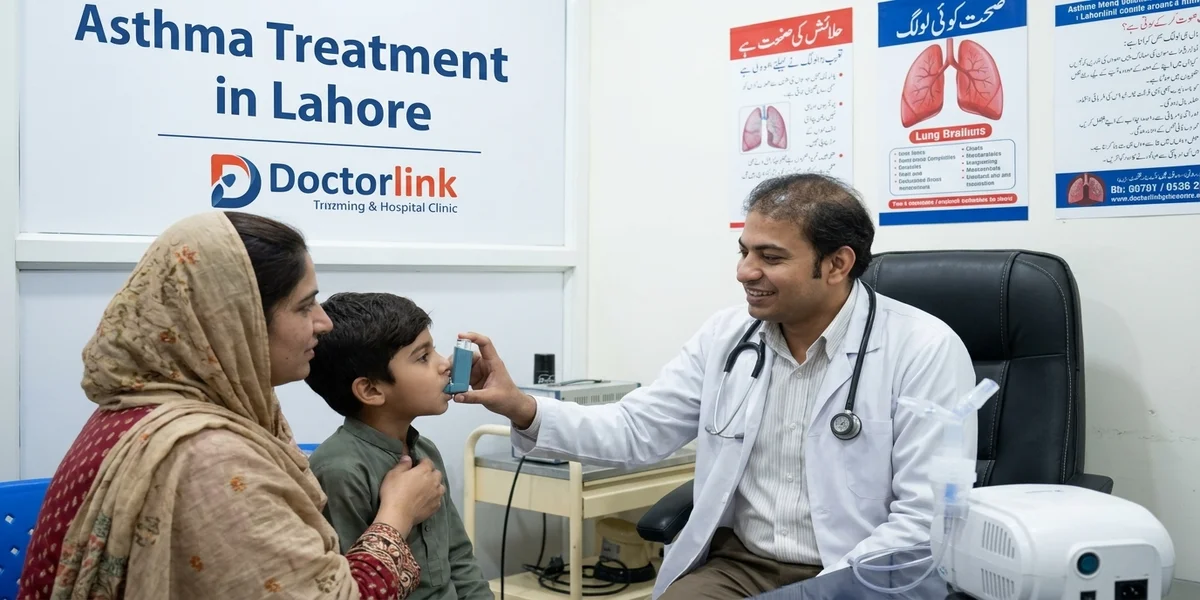
Breathing is something most people never think about until it becomes difficult. For millions worldwide, asthma turns every breath into a challenge. Asthma treatment has improved dramatically over the last few years, especially with updated global guidelines and modern inhaler therapies. According to recent respiratory health updates in 2026, doctors now recommend inhaled corticosteroid-based therapies even for mild asthma because they significantly reduce severe attacks and hospital admissions.
Asthma is a chronic disease that inflames the airways in the lungs. When these airways become swollen, breathing becomes harder, tighter, and noisier. Some people experience occasional symptoms, while others struggle daily. Weather changes, allergies, pollution, dust, smoke, and infections can all trigger symptoms. In Pakistan and many Asian countries, rising air pollution and smoking exposure have increased asthma cases among adults and children alike.
Many people search online for asthma treatment, homeo treatment for asthma, or even “asthma ka treatment” in Urdu because they want fast relief and long-term control. The good news is that asthma can usually be managed successfully with proper medication, healthy habits, and regular medical care. The key is understanding what triggers the disease and acting early before symptoms become severe.
Understanding Asthma and Why It Happens
Asthma develops when the airways inside the lungs become sensitive and overreact to triggers. Imagine your breathing tubes as highways. During asthma, those highways become narrow, swollen, and clogged with mucus. Air struggles to move in and out, causing wheezing, coughing, chest tightness, and shortness of breath. Some people inherit asthma genetically, while others develop it due to allergies, pollution, or environmental exposure.
Common Causes of Asthma
Several factors contribute to asthma development:
Cause | Impact on Asthma |
Dust and pollution | Irritates lungs |
Smoking | Damages airways |
Pet dander | Triggers allergic asthma |
Cold weather | Tightens air passages |
Exercise | Causes breathing stress |
Strong perfumes | Irritates sensitive lungs |
The rise in urban pollution has made allergic asthma treatment increasingly important. Allergic asthma occurs when allergens like pollen, mold, dust mites, or pet hair trigger airway inflammation. Doctors now focus heavily on trigger management alongside medication.
Early Warning Signs Patients Ignore
Many patients ignore small symptoms until a major asthma attack occurs. Frequent nighttime coughing, chest tightness after walking, wheezing during winter, or getting tired quickly may all indicate asthma. Children often show symptoms differently, such as persistent coughing during play or after running.
In Urdu, asthma is commonly called “دمہ” and people often search for “asthma ka treatment” or “دمہ کا علاج”. Understanding symptoms early can prevent severe complications later.
Asthma Symptoms and Treatment
Recognizing symptoms early is critical because untreated asthma can worsen over time. The most common symptoms include wheezing, coughing, breathlessness, chest pressure, and difficulty sleeping due to breathing problems. Some patients only experience symptoms seasonally, while others struggle throughout the year.
Asthma symptoms and treatment depend on severity. Mild asthma may require occasional inhaler use, while severe asthma may need multiple medications and specialist care. Modern guidelines now recommend inhaled corticosteroids even in mild asthma cases because relying only on rescue inhalers increases risks.
Mild Symptoms vs Severe Symptoms
Mild asthma symptoms include:
Occasional wheezing
Shortness of breath during exercise
Seasonal coughing
Mild chest tightness
Severe symptoms include:
Blue lips or nails
Severe breathing difficulty
Rapid heartbeat
Inability to speak properly
Frequent hospital visits
Patients experiencing severe symptoms need immediate medical care because delayed treatment can become life-threatening.
When to Visit a Doctor Immediately
A doctor should be consulted if inhalers stop working effectively, symptoms worsen at night, or breathing becomes difficult during simple activities. Emergency care is necessary during severe asthma attacks.
Doctors also assess oxygen levels, lung function, allergies, and inflammation markers. New 2026 asthma guidelines emphasize personalized treatment plans and biologic medicines for patients who do not respond to standard inhalers.
Latest Asthma Treatment Guidelines in 2026
The latest asthma treatment guidelines focus on preventing attacks instead of simply controlling symptoms after they happen. Experts now discourage using short-acting inhalers alone because they do not reduce airway inflammation effectively.
Recent guidelines recommend inhalers containing corticosteroids combined with bronchodilators. Studies show these reduce severe attacks by nearly 40–50% compared to older approaches.
Modern Inhaler-Based Treatments
Common modern asthma medications include:
Medicine Type | Purpose |
Inhaled corticosteroids | Reduce inflammation |
LABA inhalers | Open airways |
Combination inhalers | Long-term control |
Biologics | Severe asthma management |
Doctors also recommend “Maintenance and Reliever Therapy” (MART), where one inhaler acts both as maintenance and rescue medication.
Role of Steroids and Biologic Medicines
For severe asthma, biologic injections are becoming increasingly common. New CHEST guidelines released in 2026 highlight biologic medicines like dupilumab and anti-IL-5 therapies for severe uncontrolled asthma.
These medicines target specific immune pathways causing airway inflammation. They are especially useful for patients with frequent hospital admissions or steroid dependence.
Childhood Asthma Treatment
Managing asthma in children requires patience, education, and close monitoring. Childhood asthma treatment focuses on controlling symptoms while allowing children to play, learn, and grow normally. Children with uncontrolled asthma often miss school, avoid physical activity, and suffer disturbed sleep.
Pediatric asthma symptoms may include chronic cough, noisy breathing, and chest tightness after exercise. Parents sometimes confuse asthma with repeated chest infections, delaying diagnosis.
Managing Asthma in School-Age Children
Parents and teachers should know how to respond during breathing emergencies. Children must carry inhalers if prescribed. Schools should also have emergency asthma management plans.
Recent pediatric guidelines recommend low-dose inhaled corticosteroids for children with persistent symptoms.
Safe Medicines for Kids
Most asthma medicines are safe when used correctly. Pediatricians carefully adjust doses according to age and severity. Nebulizers may be recommended for younger children who cannot use inhalers properly.
Avoiding smoke exposure, dust, and strong fragrances is equally important for controlling childhood asthma.
Acute Asthma Exacerbation Treatment
An asthma exacerbation means symptoms suddenly become much worse. Acute asthma exacerbation treatment must begin immediately because severe attacks can quickly become dangerous.
Triggers include infections, pollution, allergens, or missing medications. During an attack, airway swelling increases rapidly, making breathing extremely difficult.
Emergency Care During Severe Breathing Problems
Doctors usually provide:
Oxygen therapy
Nebulized bronchodilators
Steroids
Monitoring of oxygen saturation
Prompt treatment reduces hospitalization risks and prevents lung complications.
Acute Severe Asthma Treatment in Hospitals
Acute severe asthma treatment in hospitals may involve intensive monitoring, intravenous medications, and advanced respiratory support. Severe cases sometimes require ICU admission.
Hospital doctors monitor breathing rate, blood oxygen levels, and lung function closely. Patients who delay emergency care face much higher risks.
Asthma Attack Treatment
An asthma attack feels frightening because the chest tightens suddenly, making breathing difficult. Knowing proper asthma attack treatment steps can save lives.
First Aid During an Asthma Attack
During an asthma attack:
Stay calm
Sit upright
Use the rescue inhaler
Take slow breaths
Seek medical help if symptoms persist
Panic worsens breathing difficulty, so remaining calm is extremely important.
Asthma Attack Treatment in Hospital
Asthma attack treatment in hospital often includes oxygen therapy, nebulization, corticosteroids, and continuous monitoring. Severe attacks may require ICU support.
Hospitals also investigate why the attack occurred to prevent future episodes.
Allergic Asthma Treatment
Allergic asthma treatment focuses on reducing allergic triggers and airway inflammation simultaneously. Allergic asthma is one of the most common forms of the disease.
Common Allergy Triggers
Common triggers include:
Dust mites
Pollen
Mold
Animal fur
Smoke
Perfumes
Doctors may perform allergy testing to identify triggers accurately.
Lifestyle Changes for Better Breathing
Simple lifestyle changes can significantly improve symptoms:
Use air purifiers
Wash bedding regularly
Avoid smoking
Keep pets away from bedrooms
Reduce dust accumulation
Combined with medication, these changes often reduce asthma attacks dramatically.
Homeo Treatment for Asthma
Many patients explore alternative medicine options such as homeo treatment for asthma. Homeopathy aims to stimulate the body’s natural healing response using highly diluted remedies.
Asthma Treatment in Homeopathy
Common homeopathic remedies include:
Arsenicum Album
Natrum Sulph
Spongia Tosta
Ipecacuanha
Supporters believe these remedies reduce breathing difficulty and improve immunity.
Benefits and Limitations of Homeopathy
While some patients report symptom improvement, medical evidence supporting asthma treatment in homeopathy remains limited. Doctors usually recommend homeopathy only as supportive care, not as a replacement for emergency asthma medication.
Patients should never stop prescribed inhalers without consulting a qualified pulmonologist.
Skin Asthma Treatment and Related Allergies
Many people experience both asthma and skin allergies together. This condition is sometimes referred to as “skin asthma.” Skin asthma treatment usually involves controlling allergic inflammation in the body.
Eczema, itching, and skin rashes commonly occur alongside asthma because both conditions are linked to allergic immune responses. Doctors may prescribe antihistamines, steroid creams, moisturizers, and allergy management plans.
Keeping the skin hydrated and avoiding harsh soaps can help reduce flare-ups.
Asthma Ka Treatment – Urdu Explanation
In Urdu, asthma is called “دمہ”. People often search online for “asthma desi treatment in urdu” or “دمہ کا علاج”. Traditional remedies sometimes include honey, ginger, black seed (کلونجی), and steam inhalation.
While home remedies may provide temporary comfort, they should not replace medical treatment. Severe asthma requires proper inhalers and doctor supervision.
Urdu explanation:
دمہ ایک سانس کی بیماری ہے
اس میں سانس کی نالیاں سوج جاتی ہیں
مریض کو سانس لینے میں دشواری ہوتی ہے
انہیلر اور ڈاکٹر کی دوائیں اہم علاج ہیں
Patients searching for asthma patient treatment should always prioritize medically approved therapies.
Best Lifestyle Tips for Asthma Patients
Living with asthma becomes easier when patients develop healthy routines. Daily habits strongly influence breathing health.
Important lifestyle tips include:
Healthy Habit | Benefit |
Regular exercise | Improves lung strength |
Avoid smoking | Prevents irritation |
Healthy diet | Supports immunity |
Stress management | Reduces flare-ups |
Proper sleep | Improves recovery |
Hydration also helps keep mucus thin and easier to clear from airways.
Book Your Asthma Consultation Today
If you or your child are suffering from breathing problems, wheezing, chest tightness, or repeated asthma attacks, professional medical care is essential. Early diagnosis and modern asthma management can dramatically improve quality of life.
Contact Details – Doctorlink
Doctor Name: Dr. Yasir Nasir Pulmonologist in Lahore
Phone: 03114142033
Email: info@doctorlink.pk
Location: Google Maps Location
Conclusion
Asthma is a chronic condition, but modern medicine has made effective control possible for most patients. From updated inhaler therapies to advanced biologic treatments, the future of asthma treatment continues to improve. Patients who follow proper medical advice, avoid triggers, and monitor symptoms carefully can live active and healthy lives.
Whether someone is looking for childhood asthma treatment, acute severe asthma treatment, or even homeo treatment for asthma, the most important step is early intervention and professional guidance. Asthma should never be ignored because timely treatment prevents severe attacks and long-term lung damage.
FAQs
1. What is the best asthma treatment available today?
The best treatment depends on severity, but inhaled corticosteroid-based therapy is currently considered the gold standard according to updated 2026 guidelines.
2. Can homeopathy cure asthma permanently?
There is no scientific proof that homeopathy permanently cures asthma. It may help some patients symptomatically but should not replace medical treatment.
3. What should I do during an asthma attack?
Use a rescue inhaler immediately, sit upright, stay calm, and seek emergency medical help if symptoms do not improve quickly.
4. Is childhood asthma dangerous?
Childhood asthma can become serious if untreated, but proper medical care usually allows children to live normal, active lives.
5. Can allergic asthma be prevented?
Avoiding triggers like dust, smoke, pollen, and pet dander can significantly reduce allergic asthma attacks and improve breathing.
Also Read To Know How to Find the Best Healthcare Solution in Lahore
Lorem ipsum dolor sit amet, consectetur adipiscing elit. Ut elit tellus, luctus nec ullamcorper mattis, pulvinar dapibus leo.


