

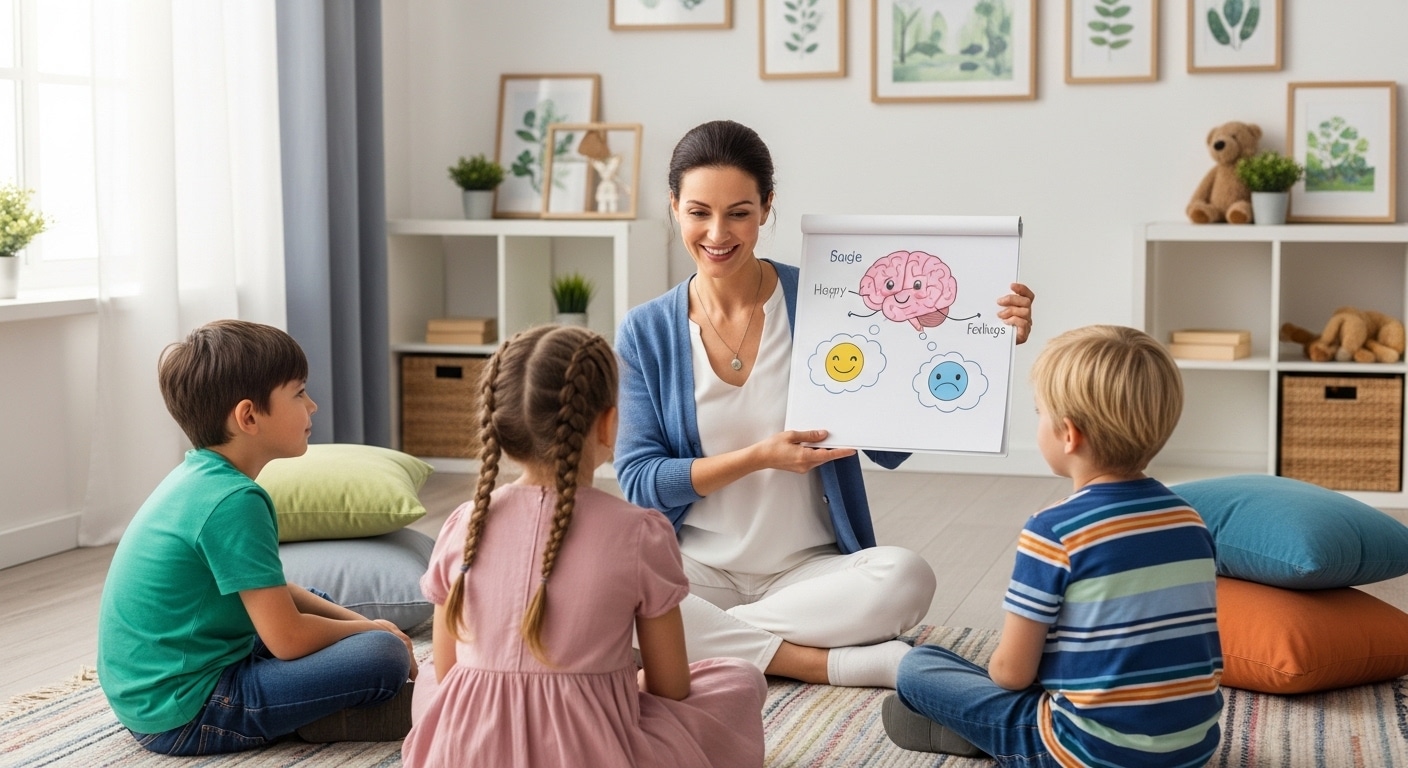
Mental health has become a serious concern for children all over the world. In today’s fast paced life children are facing many pressures. Whether it is from school, social media or family expectations, it seems there is no way out of stress for them. All these pressures are affecting their thoughts, emotions and behavior. Nearly all the kids experience stress, sadness and fear, but they are not open when it comes to expressing it.
However, parents and teachers can play a big role in helping them. When we become friendly with our children and discuss things with them openly it helps relieve their stress. In this blog we will share some simple and practical tips that are useful for every child no matter what culture or country they belong to.
Why Children’s Mental Health Matters
As children are growing up they are learning a lot around their surroundings and even understanding their emotions. If they feel ignored or misunderstood, it can lead to lack of confidence and development in them. If a child has good mental health it can be helpful in so many ways.
· They feel safe and happy
· Build strong relationships around them
· Focus and behave better in their school
· Handle their problem more calmly
Ignoring mental health issues at any age, especially in a child can lead to greater problems in adult life. It is very much important to support your child no matter what.
Common Mental Health Challenges in Children
It is very much important for parents to know what their child is going through. Here are some common health challenges that every parent must understand.
Anxiety
Many children feel worried when it comes to their studies, friends and family. Managing the child anxiety is necessary as it can affect their mood, sleep, eating habits and lifestyle in general.
Depression
Sometimes when children are depressed they lose interest in daily activities and are gloomy all the time. They stay alone and quiet most of the time which is a big concern. If you want to prevent serious emotional issues in children it is best to give them support.
Stress
Stress can come from anything in life. It can be school, issues with friends and exams. Small children too can feel the pressure.
Signs Parents and Teachers Should Notice
Parents should keep a strict eye on their child. It is important to recognize the early signs and symptoms as it can help prevent many problems ahead. Here are some commons signs to look out for:
· Sudden changes in the mood
· Lack of interest in daily activities
· Trouble sleeping or eating
· Too much crying for no reason
· Avoiding friends and family members without any clear reason
If you feel that these signs are continuing longer than ever, a good support is needed.
Useful Mental Health Tips for Children
If parents feel that their child is suffering from mental health issues, need not to worry. Here are some useful tips:
1. Encourage Open Communication
Open communication with your child is very important. You have to listen to your child without judging. Whether it is good or bad, your child should be open enough to talk to you about it. When little ones feel safe they will come to you for discussion.
2. Create a Safe Environment
Children need a peaceful and loving environment at home. When the environment around them is safe it builds up a strong trust and confidence among them.
3. Maintain a Daily Routine
Parents have to keep a regular routine check of their children. Regular sleep, good meals, and an appropriate study time always works best. You need to give your child a sense of stability. Make sure that you put some extracurricular activities for them during the day so they can feel relaxed.
4. Promote Physical Activity
Physical activity can reduce stress and improve the mood instantly. You can incorporate some simple activities for your children like playing outside, walking or maybe playing some sport.
5. Limit Screen Time
Nowadays children spend too much time on the screen which is very wrong. Too much of screen time can disrupt their sleep and also cause anxiety. Try to encourage your child to do something that’s creative.
The best thing is that these child mental health tips can be followed no matter what part of the world you are in. These tips will work irrespective of your culture and lifestyle.
Role of Parents in Supporting Mental Health
Parents and home are the first institution for the child. It happens to be the biggest support system that they can have. Parents can help their child in growing up well in so many ways.
· Spend quality time with the kids
· Discuss things with them
· Show them love and understanding without being too strict
· Avoid giving harsh punishments
· Encouraging good behaviour by treating them once a while
It is important for parents to remain calm and supportive as this is what helps build a good future for your kids.
Role of Teachers and Schools
Apart from home, school is another place where kids stay most of the time. Teachers play an important role here. Schools are important for emotional development. This is how teachers should act.
· Create a friendly environment in class
· Encourage team work and respect among kids
· Keep an eye of every kid’s behavior
· Children should not feel left out
Teachers can turn out to be very helpful when it comes to building up a kid’s confidence and emotional well-being.
Cultural Understanding and Global Approach
Every culture is different. However, the emotions of children are the same everywhere. A global approach means:
· Respecting each other’s cultural values
· Understanding family norms and traditions
· Simple and universal methods always work that is listening and kindness
Worldwide mental health awareness has become more important than ever. Communities from different parts of the world can learn from each other. It will be helpful in improving the support system for your kids.
When to Seek Professional Help
Sometimes a good support from family and school doesn’t work. It happens when the kids have reached such a stage that anxiety or depression takes over them. You need to seek out for professional help if the following happens.
· Your child is sad for many weeks or months
· Signs of severe depression or anxiety
· Lack of interest in life
· Your kid tries to self-harm or has such thought
· There are behavior changes which look extreme
Building Strong Emotional Skills in Children
When you teach children the best and strong emotional skills it works for lifetime. You can teach them the following
· Help them solve their problems
· Encourage them to talk about their feelings
· Encourage kindness and gratitude no matter what the situation
· Always praise their efforts and don’t let them feel down
All these small steps can build up strong individuals.
Book Expert Child Mental Health Support Online in Pakistan
Worried about your child’s emotional or behavioral health? Get trusted care from Dr Ayesha Arshad, Clinical Psychologist, through Doctorlink’s reliable online doctor consultation Pakistan service. Enjoy confidential, convenient sessions from home with expert guidance tailored to your child’s needs.
Contact Information
Doctor: Dr Ayesha Arshad (Clinical Psychologist)
Phone: 03114142033
Email: info@doctorlink.pk
Service: Online doctor consultation Pakistan
Platform: Doctorlink
Final Thoughts
It is important not to ignore your child’s mental health. With simple love, care and understanding many issues can be solved. We can help our kids become strong individuals and it can lead to a good future. Small actions like listening to them and spending time can make a lot of difference.
FAQS
Why is mental health important for children?
Mental health is important as it helps the kids feel safe, confident and happy. It will make them strong individuals who can change the world.
How can parents support their child’s mental health?
Parents can support their children’s mental health by loving and supporting them. They should have a safe environment and feel loved.
What are early signs of anxiety in children?
Some early signs are trouble in sleeping and eating. Feeling nervous often is another big sign. Sometimes children even talk about headaches or other issues even though there is no physical reason.
Also Read To Find the Best Healthcare Solutions in Lahore Near Me
free online doctor consultation


