

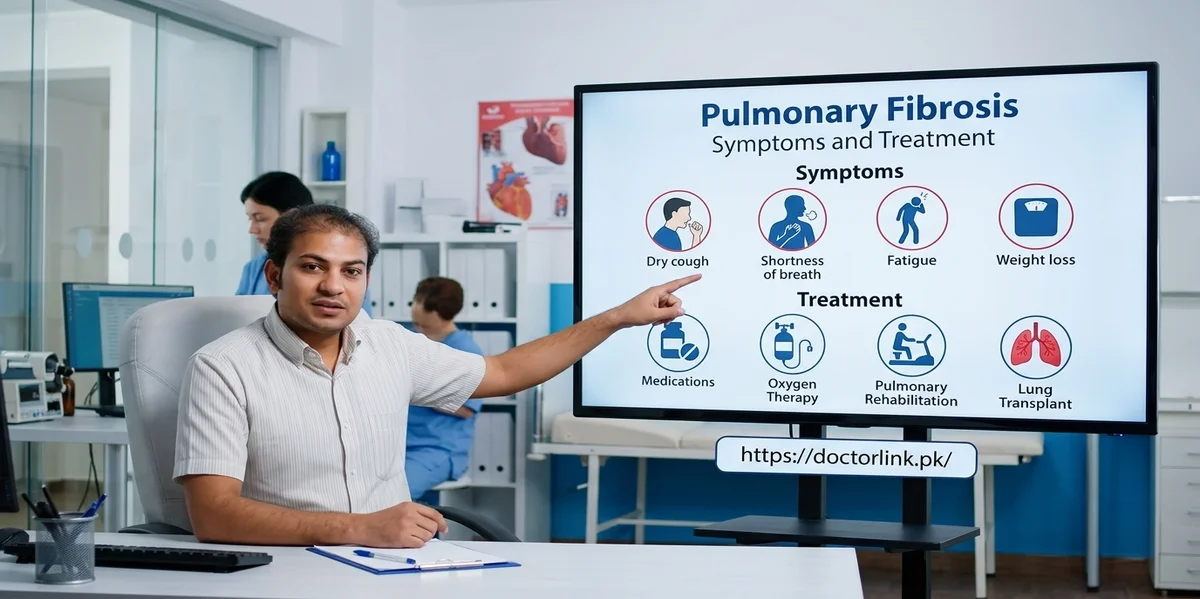
What is Pulmonary Fibrosis and Lung Scarring
Today many patients pulmonary fibrosis search online because ongoing breathing difficulty, dry cough, and lung scarring symptoms create serious health concerns. Pulmonary fibrosis is a chronic lung disease where scar tissue develops inside the lungs and makes breathing increasingly difficult over time. The scarred tissue becomes thick and stiff, reducing the lungs’ ability to transfer oxygen into the bloodstream properly. Patients often experience worsening shortness of breath, fatigue, and reduced physical activity as the disease progresses. Pulmonary fibrosis may develop slowly over years or worsen rapidly depending on the underlying cause.
For respiratory health awareness what is pulmonary fibrosis remains an important question because many people confuse it with asthma, bronchitis, or ordinary lung infections. Pulmonary fibrosis permanently damages lung tissues and affects the tiny air sacs responsible for oxygen exchange. Unlike temporary respiratory illnesses, lung scarring usually cannot be fully reversed once it develops. Early diagnosis and medical treatment are extremely important to slow disease progression and improve quality of life.
Common Signs of Pulmonary Fibrosis
Dry persistent cough
Shortness of breath
Fatigue and weakness
Chest discomfort
Reduced exercise tolerance
Finger clubbing in severe cases
Idiopathic Pulmonary Fibrosis and Risk Factors
Across the world many patients idiopathic pulmonary fibrosis search because doctors sometimes cannot identify the exact reason behind lung scarring. Idiopathic pulmonary fibrosis, often called IPF, is the most common and severe form of pulmonary fibrosis. The word “idiopathic” means the exact cause remains unknown. This disease usually affects older adults and gradually reduces lung function over time.
For long-term respiratory care idiopathic pulmonary fibrosis becomes dangerous because scar tissue continuously spreads inside the lungs and reduces oxygen transfer. Patients often notice worsening breathlessness during walking, climbing stairs, or simple daily activities. Smoking, environmental exposure, genetics, and aging may increase the risk of IPF significantly.
Risk Factors for Idiopathic Pulmonary Fibrosis
|
Risk Factor |
Impact on Lungs |
|
Smoking |
Increases lung scarring |
|
Air pollution |
Irritates lung tissues |
|
Family history |
Raises disease risk |
|
Chemical exposure |
Damages lungs |
|
Older age |
Higher fibrosis risk |
Pulmonary Fibrosis Causes and Lung Damage
Worldwide respiratory experts pulmonary fibrosis causes explain as long-term lung injury resulting from inflammation, toxic exposure, autoimmune disease, or infections. Some patients develop fibrosis after exposure to dust, silica, asbestos, or harmful workplace chemicals. Others develop the disease because of autoimmune disorders like rheumatoid arthritis or lupus.
In modern respiratory medicine pulmonary fibrosis causes also include smoking, radiation therapy, certain medications, and severe viral infections. Long-term inflammation damages the delicate lung tissues and gradually replaces healthy tissue with scar tissue. Once the lungs become stiff and scarred, breathing becomes increasingly difficult.
Common Pulmonary Fibrosis Causes
-
Smoking cigarettes
Air pollution exposure
Autoimmune diseases
Harmful workplace dust
Viral lung infections
Radiation therapy
Environmental Causes of Fibrosis
|
Exposure Type |
Lung Effect |
|
Asbestos |
Severe scarring |
|
Silica dust |
Chronic inflammation |
|
Coal dust |
Lung damage |
|
Chemical fumes |
Tissue irritation |
Pulmonary Fibrosis Symptoms and Warning Signs
For millions worldwide pulmonary fibrosis symptoms often begin slowly and worsen gradually over time. The earliest symptom is usually shortness of breath during physical activity. Patients may also experience a dry persistent cough that does not improve with regular medicines. As the disease progresses, oxygen supply becomes weaker, causing fatigue and weakness even during simple daily activities.
In advanced lung disease pulmonary fibrosis symptoms become severe enough to interfere with normal life and sleep quality. Patients may struggle with climbing stairs, walking long distances, or even speaking comfortably without becoming breathless. Finger clubbing, weight loss, and chest tightness are also common in severe cases.
Early Pulmonary Fibrosis Symptoms
Dry cough
Mild shortness of breath
Weakness and fatigue
Chest discomfort
Reduced stamina
Severe Pulmonary Fibrosis Symptoms
Severe breathing difficulty
Blue lips or fingertips
Weight loss
Finger clubbing
Low oxygen levels
Pulmonary Fibrosis Meaning in Urdu Explained
Across Pakistan many users pulmonary fibrosis meaning in urdu search because understanding lung diseases in Urdu helps families identify symptoms earlier. Pulmonary fibrosis in Urdu is often called “پھیپھڑوں کا سکڑنا” or “پھیپھڑوں میں زخم بن جانا”. This condition causes permanent scarring inside the lungs, making breathing difficult and reducing oxygen supply.
For Urdu-speaking patients pulmonary fibrosis meaning in urdu improves awareness regarding dangerous breathing symptoms and the need for early specialist consultation.
Urdu Explanation
پلمونری فائبروسس پھیپھڑوں کی بیماری ہے
پھیپھڑوں میں زخم اور سختی پیدا ہوتی ہے
مریض کو سانس لینے میں دشواری ہوتی ہے
خشک کھانسی اور کمزوری عام علامات ہیں
فوری علاج ضروری ہو سکتا ہے
Pulmonary Fibrosis Treatment and Recovery Care
Today advanced medicine pulmonary fibrosis treatment focuses on slowing lung scarring, improving breathing, and maintaining oxygen levels. Although scar tissue cannot usually be removed completely, modern treatments help patients breathe better and improve quality of life. Doctors may prescribe antifibrotic medicines like Pirfenidone or Nintedanib to slow disease progression.
For better respiratory management pulmonary fibrosis treatment also includes oxygen therapy, pulmonary rehabilitation, breathing exercises, and healthy lifestyle changes. Patients with advanced disease may require lung transplantation in severe cases.
Common Pulmonary Fibrosis Treatment Options
-
Antifibrotic medicines
Oxygen therapy
Pulmonary rehabilitation
Breathing exercises
Lung transplantation
Healthy nutrition plans
Lifestyle Tips for Better Lung Health
|
Healthy Habit |
Benefit |
|
Quit smoking |
Prevents further damage |
|
Exercise regularly |
Improves stamina |
|
Healthy diet |
Supports immunity |
|
Oxygen monitoring |
Improves safety |
Pulmonary Fibrosis X Ray and Diagnosis Tests
For respiratory diagnosis today pulmonary fibrosis x ray remains an important imaging method because lung scarring often appears as abnormal white patterns inside the lungs. Chest X-rays help doctors identify fibrosis, inflammation, and reduced lung expansion. However, CT scans usually provide more detailed images for accurate diagnosis.
In advanced respiratory medicine pulmonary fibrosis x ray findings may show thickened lung tissues, reduced lung volume, and scarring patterns. Doctors may also perform pulmonary function tests and oxygen level assessments to evaluate disease severity.
Common Diagnosis Tests
Chest X-ray
CT scan
Pulmonary function test
Oxygen level monitoring
Blood tests
Lung biopsy
Interstitial Pulmonary Fibrosis and Lung Inflammation
In chronic respiratory disease interstitial pulmonary fibrosis affects the interstitium, which is the tissue surrounding the lung air sacs. This tissue becomes inflamed and scarred, making oxygen transfer difficult. Patients often experience dry cough, fatigue, and worsening breathlessness during physical activity.
For lung disease specialists worldwide interstitial pulmonary fibrosis is considered a serious form of interstitial lung disease because it can progressively reduce breathing capacity and oxygen levels. Early diagnosis and treatment are essential for slowing disease progression.
Common Symptoms of Interstitial Pulmonary Fibrosis
Dry chronic cough
Progressive breathlessness
Fatigue and weakness
Chest tightness
Reduced lung capacity
Best Lifestyle Changes for Pulmonary Fibrosis
For better breathing support pulmonary fibrosis treatment works more effectively when combined with healthy lifestyle habits. Patients should avoid smoking completely because tobacco smoke accelerates lung damage and scarring. Exercise programs designed by pulmonary rehabilitation specialists may also improve stamina and breathing strength.
Healthy Habits for Pulmonary Fibrosis
Quit smoking immediately
Avoid polluted areas
Eat healthy foods
Stay physically active
Monitor oxygen levels
Attend regular medical checkups
Contact Doctor for Pulmonary Fibrosis Treatment
If you are experiencing dry cough, shortness of breath, fatigue, or chest tightness, professional pulmonology consultation is extremely important. Early diagnosis can slow lung scarring and improve long-term breathing health.
Contact Details – Doctorlink
Doctor Name: Dr. Yasir Nasir Pulmonologist in Lahore
Phone: 03114142033
Email: info@doctorlink.pk
Location: https://maps.app.goo.gl/1pUZdwwYeULY8jK78
Conclusion
For millions worldwide pulmonary fibrosis treatment remains essential because untreated lung scarring can severely affect breathing and oxygen supply. Understanding pulmonary fibrosis symptoms, recognizing pulmonary fibrosis causes, and learning about idiopathic pulmonary fibrosis helps patients seek early medical care before severe complications develop.
For better respiratory health interstitial pulmonary fibrosis and other fibrosis conditions should be diagnosed early through imaging tests, oxygen monitoring, and specialist consultation. Modern medicines, oxygen therapy, rehabilitation, and healthy lifestyle changes can significantly improve quality of life for pulmonary fibrosis patients.
FAQs
1. What is pulmonary fibrosis?
Pulmonary fibrosis is a chronic lung disease where scar tissue forms inside the lungs and affects breathing.
2. What are pulmonary fibrosis symptoms?
Common symptoms include dry cough, shortness of breath, fatigue, chest discomfort, and low oxygen levels.
3. What causes pulmonary fibrosis?
Smoking, pollution, autoimmune diseases, workplace dust, infections, and certain medicines can cause fibrosis.
4. What is idiopathic pulmonary fibrosis?
Idiopathic pulmonary fibrosis is a type of fibrosis where the exact cause of lung scarring remains unknown.
5. What is pulmonary fibrosis treatment?
Treatment includes antifibrotic medicines, oxygen therapy, pulmonary rehabilitation, and healthy lifestyle changes.


